Yes, winter is a good season for Napa and Sonoma wine tours. From December through February, tasting rooms are quieter, the hills turn green and the vineyards rest. The trade-offs are rain and short days, so plan an earlier start, three or four tastings and one valley per day, and leave the wet roads to a chauffeur.
Below: what changes in wine country over the winter months, how to build the day around the light, and how to choose between Napa and Sonoma.
Why go on Napa and Sonoma wine tours in winter
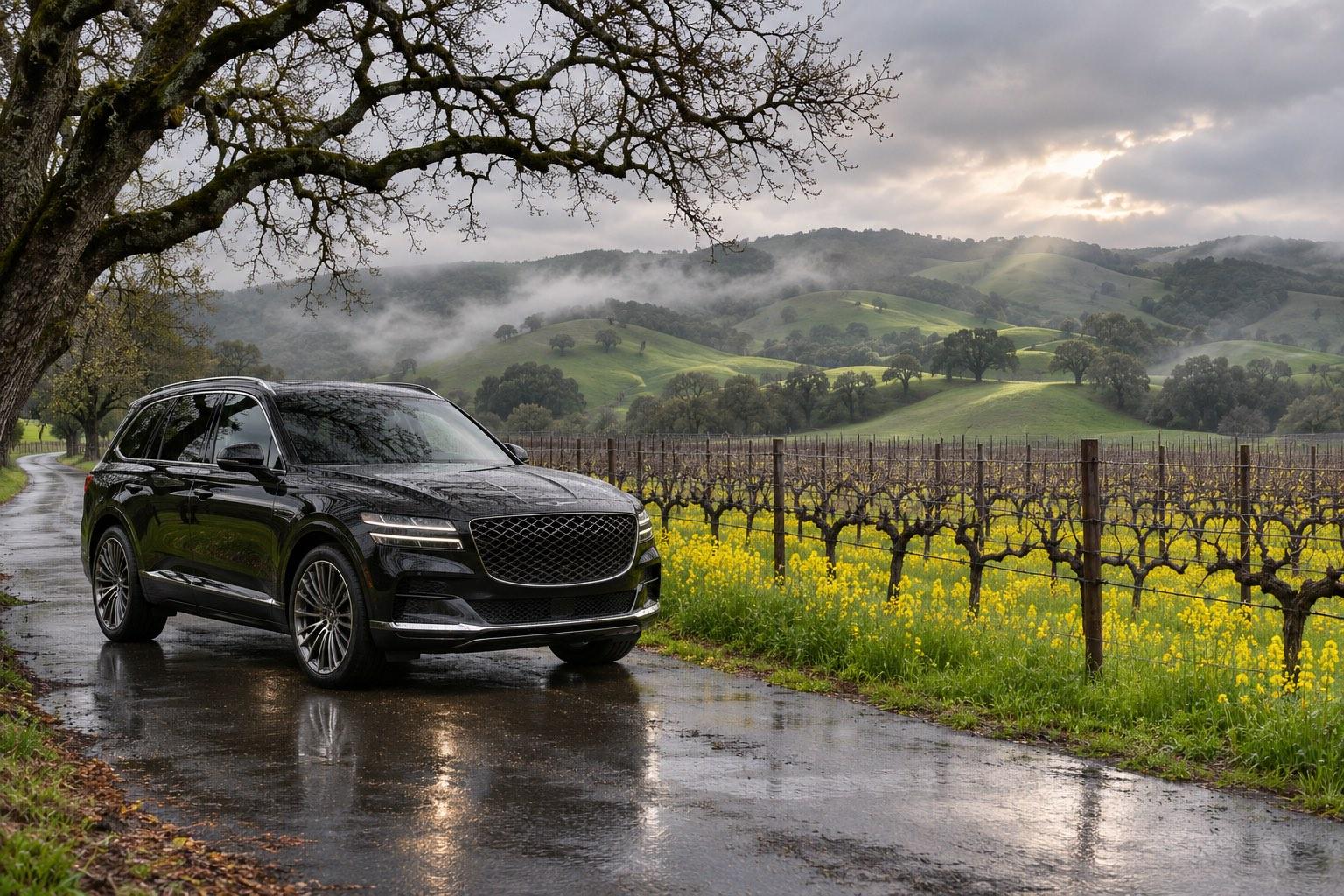
The short answer is space. Visit Napa Valley describes winter as a quieter, more relaxed way to see the valley, with fewer crowds at wineries and restaurants from December through February, plus fireside tastings and views of green hillsides and yellow wild mustard.
Sonoma says much the same. According to Sonoma County Tourism, winery tasting rooms tend to be quieter in winter, so you might be offered a behind-the-scenes tour or have your wines poured by the winemaker. The county's winter starts with green hills and pastures and ends with mustard blooms in the dormant vineyards.
The wine fits the season too. Visit Napa Valley names Cabernet Sauvignon as the wine to drink in winter, for its bold, rich flavors. It also adds that you should drink the wine you enjoy, so a Chardonnay lover need not switch.
What winter weather means for a tasting day
Winter is the rainiest and coolest time of year in Napa Valley, Visit Napa Valley says, though it remains mild by most standards. These are the averages it publishes:
- December: average high of 58°F, low of 39°F, about 9 days of rain
- January: average high of 58°F, low of 40°F, about 9 days of rain
- February: average high of 63°F, low of 42°F, about 8 days of rain
The same page notes that rainfall varies from year to year, and that on dry days the sun is warm and the skies are clear. Its packing advice is short: a medium-weight waterproof jacket or an umbrella, and boots or comfortable shoes for winery tours. Sonoma County Tourism adds occasional fog to the forecast for its side of the hills.
Rain also changes the drive. Narrow country roads, gravel winery lanes and early dusk are a poor match for anyone who has spent the day tasting. With a chauffeur, everyone in the group can enjoy each pour, and the wet road home is our job. Our guide to Napa without the driving covers the case for a designated driver in more detail.
Plan the day around the light
Daylight is the real limit on winter wine tasting in Napa. According to timeanddate.com, the sun sets in Napa at 4:49 pm on December 1. On December 21, the winter solstice, it rises at 7:22 am and sets at 4:52 pm, which leaves about nine and a half hours of daylight.
A few habits keep a short day relaxed:
- Start earlier. Leave San Francisco or the Peninsula in time for a first tasting in the mid-morning.
- Book three or four tastings. Fewer stops leave room for a proper lunch and for a rain shower that slows things down.
- Put the outdoor stops first. Vineyard walks and photos work best before mid-afternoon, while the light is still good.
- Finish indoors. A cave tasting, a fireside room or a tasting room in town makes a comfortable last stop once the sun is low.
- Book dinner in the valley. A table in Yountville, St. Helena or Sonoma turns the early sunset into a reason to stay longer, since you are not driving home.
Napa or Sonoma: picking one valley for the day
With under ten hours of light, one valley per day is the calmer plan.
Napa Valley suits a classic tasting day. Routes run up Highway 29 and the Silverado Trail through Yountville, Oakville, Rutherford and St. Helena to Calistoga, or south to Carneros. For a slower winter afternoon, Visit Napa Valley also suggests a spa treatment or a mineral bath. Our Napa Valley service area page lists the towns we cover.
Sonoma Valley suits a day with more small-town time, around Sonoma Plaza and up the valley through Glen Ellen and Kenwood. Our Sonoma Valley service area page covers the valley and Healdsburg.
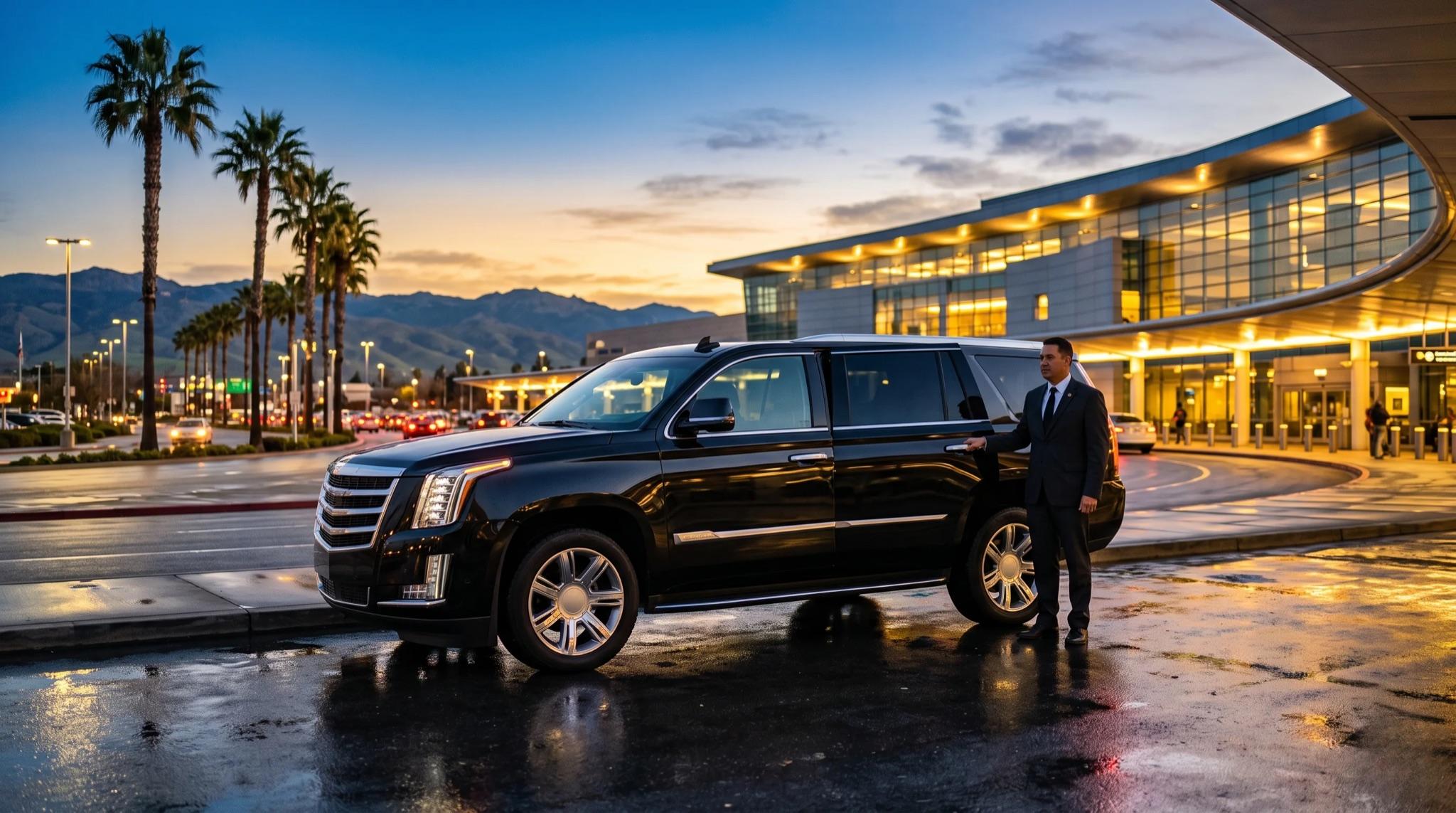
Flying in for the trip? We can meet you at the airport with an SFO car service and drive you straight up to the valley. Our guide to the car service from SFO to Napa covers drive times and how pickup works.
Holidays and booking ahead
Winter includes the Thanksgiving, Christmas and New Year holidays, so confirm holiday hours directly with each winery before you fix a date. Many tasting rooms take guests by appointment, so book the wineries first and the car second.
For a Napa and Sonoma wine tour with iBlack, send us the final itinerary at least five business days before the day, as our reservation terms ask. Tell us the wineries and the times, and we sequence the route, allow for lunch and keep each reservation on time.
First tasting room visit? Read our Napa winery etiquette guide before you go.
How a winter wine day runs with iBlack
- Pickup across the Bay Area. We collect you at home, at the office or at your hotel.
- One chauffeur for the whole day. Your designated chauffeur waits at each winery and handles every mile between tastings.
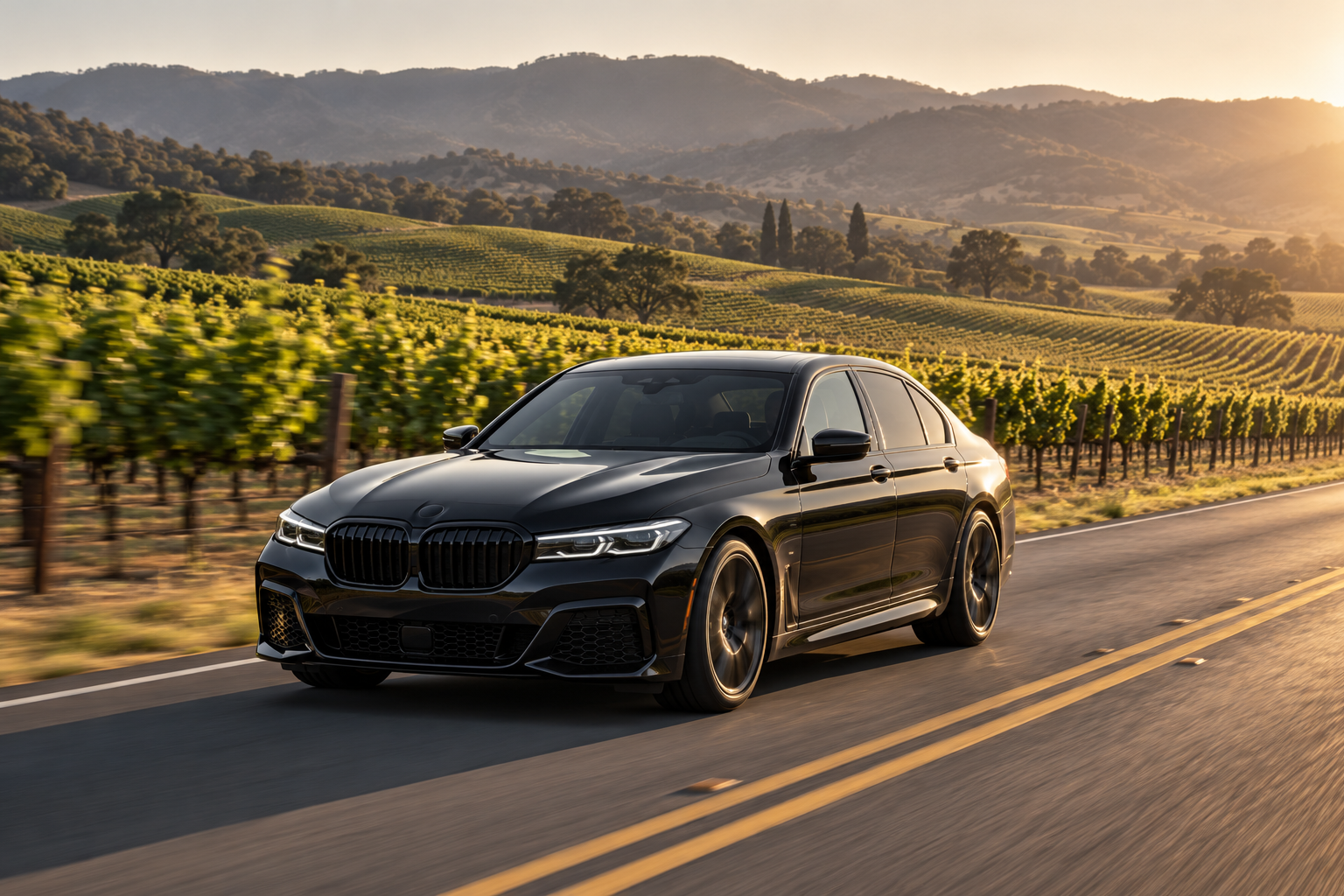
- The right car for the group. A sedan for two, an SUV for a small group, or the Executive Mini Coach for up to seventeen.
- Comfort between stops. Water, Wi-Fi and device chargers are on board as standard.
- Home after dark. After the last pour or dinner, you are driven back to the Bay with nobody at the wheel who has been tasting.
Dispatch runs 24/7. To plan Napa and Sonoma wine tours in winter, book online or call (888) 491-3088.
- December: average high of 58°F, low of 39°F, about 9 days of rain
- January: average high of 58°F, low of 40°F, about 9 days of rain
- February: average high of 63°F, low of 42°F, about 8 days of rain