
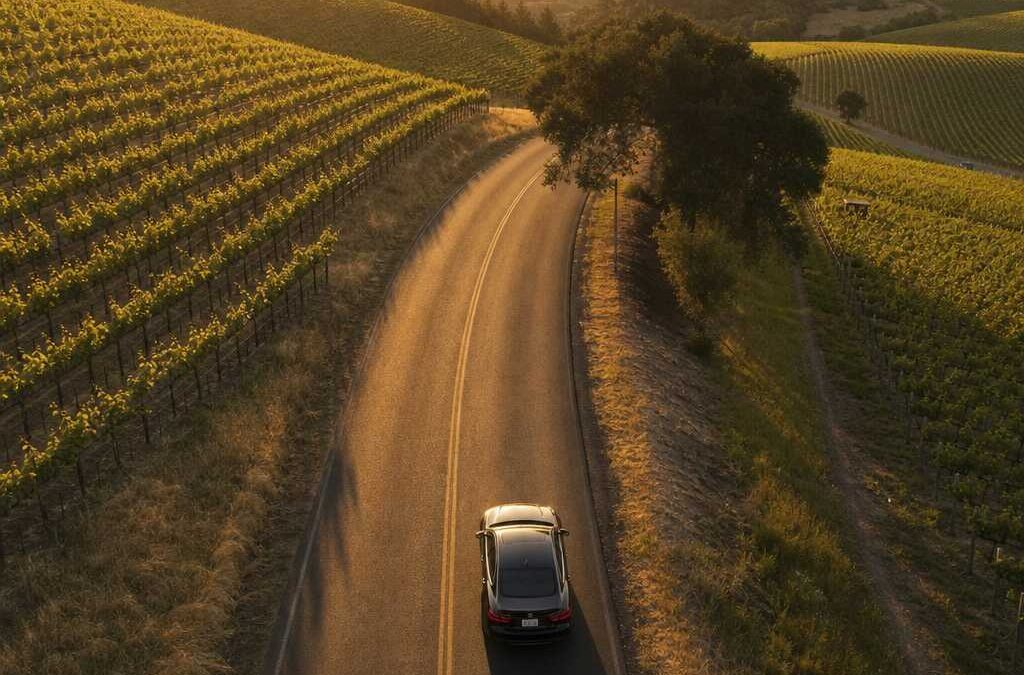
Most people treat a Napa weekend trip from San Francisco like a casual road trip. They pile into a rental car, argue over parking at wineries, and spend half the day stressed about who is driving home. That is not a luxury escape. That is a chore with better scenery. The distance from San Francisco to Napa is roughly 50 miles, but the difference between a forgettable outing and a genuinely memorable weekend comes down entirely to how you plan it and how you get there. This guide covers every decision that matters, including transportation, timing, wineries, hotels, and why a private chauffeur changes the entire experience.
Table of Contents
- Quick Takeaways
- Why a Napa Weekend from San Francisco Actually Works
- The Best Time to Go: Seasons, Crowds, and Harvest
- Getting There in Style: Why Private Car Service Beats Every Other Option
- Building Your Itinerary: Two Days Done Right
- Where to Stay in Napa Valley
- Winery Strategy: Quality Over Quantity
- Transportation Comparison: Self-Drive vs. Rideshare vs. Private Chauffeur
- Frequently Asked Questions
- References
Quick Takeaways
| Key Insight | Explanation |
|---|---|
| Leave San Francisco on Friday before 1 PM | Friday afternoon traffic on Highway 101 and 37 can add 90 minutes to your drive. Leaving early avoids the worst congestion entirely. |
| Book a private chauffeur for the full weekend | A dedicated chauffeur from a service like iBlack Limo means no parking stress, no designated driver, and door-to-door service at every winery stop. |
| Limit yourself to three winery visits per day | More than three tastings per day reduces the quality of the experience. You stop tasting and start enduring. |
| Reserve restaurant tables and tasting appointments before you arrive | Top Napa restaurants like The French Laundry book out weeks in advance. Walk-in availability at premium wineries is nearly zero on weekends. |
| Harvest season (September to November) is peak experience but peak crowds | Crush season offers the most atmosphere but requires earlier reservations and commands higher hotel rates. |
| Stay in Yountville or St. Helena rather than downtown Napa | These towns sit in the heart of the valley and reduce travel time between wineries significantly. |
| Corporate travelers can combine Napa with client entertainment | Private car service allows executives to hold conversations and review materials en route, making the trip productive as well as enjoyable. |
Why a Napa Weekend from San Francisco Actually Works
The proximity is the advantage that most visitors underestimate. At roughly 50 to 55 miles from downtown San Francisco, Napa Valley sits close enough to reach in under 90 minutes under normal conditions. That makes it viable as a Friday-to-Sunday escape without burning a full day in transit each way.
For corporate travelers and Silicon Valley executives who rarely have a full week free, that geography is significant. A team from a Google campus in Mountain View or a law firm in the Financial District can be at a hillside tasting room before noon on Saturday if the logistics are handled correctly. The operative phrase there is handled correctly.
The trap most first-timers fall into is treating logistics as an afterthought. They book the hotel, they pick the wineries, and then they realize the morning of that someone has to stay sober, parking is metered or nonexistent at popular estates, and Uber surge pricing on a Saturday afternoon in wine country is not a pleasant surprise.


The Best Time to Go: Seasons, Crowds, and Harvest
Napa Valley is genuinely pleasant year-round, but the experience varies enough that timing your visit is a real decision, not a formality. Each season offers something distinct, and knowing the trade-offs prevents disappointment.
Spring (March to May): The Underrated Window
Spring delivers mild temperatures between 60 and 75 degrees Fahrenheit, green hillsides from winter rain, and mustard flowers blooming between the vine rows in early March. Crowds are lighter than summer or harvest season, and many wineries offer their best availability for tasting appointments.
In practice, April and early May represent the best balance of weather, availability, and pricing. Hotel rates are lower than peak season, and restaurant reservations are easier to secure. For executives planning a client entertainment trip, spring is the low-friction season.
Harvest (September to November): The Peak Experience
Harvest season is Napa at its most cinematic. The smell of fermenting grapes, the sight of workers moving through the vines, and the energy across the valley during crush make this the most memorable time to visit. However, it also drives the highest hotel rates and the longest wait times for reservations.
If you plan to visit during harvest, book hotels at least six to eight weeks out and secure all tasting appointments before you arrive. Do not assume walk-in flexibility at any estate worth visiting during this period.
Winter (December to February): Quiet and Undervalued
Winter sees far fewer visitors, which translates to more personal attention at tasting rooms, lower hotel rates, and a relaxed atmosphere. The vines are dormant, so the visual drama is reduced, but the actual wine experience is often richer because staff have more time for each visitor. For a couples’ weekend or a quiet executive retreat, winter Napa is a legitimate choice.
Getting There in Style: Why Private Car Service Beats Every Other Option
There are four realistic ways to get from San Francisco to Napa: rent a car and drive yourself, take a rideshare, join a group tour bus, or book a private chauffeured car service. Three of those options have meaningful drawbacks that most people only discover after they have already committed to them.
Renting a car seems straightforward until you account for the designated driver problem. One person in the group stays largely sober across a full day of tastings. That is a poor deal for that person and creates subtle social friction across the group. Add parking fees at popular wineries, navigation between estates on rural roads, and the cost of returning a car after a long day, and the convenience math falls apart quickly.
Rideshare works for a single destination but becomes unreliable for multi-stop wine country days. Surge pricing during peak afternoon hours in Napa, limited driver availability in rural areas between wineries, and no continuity between pickups make rideshare a frustrating experience for anyone trying to move efficiently between estates.
What a Private Chauffeur Actually Provides
A dedicated private chauffeur from iBlack Limo solves every logistical problem in one booking. You are picked up at your San Francisco address or hotel, driven directly to each winery on your itinerary, waited for between stops, and returned to your Napa hotel or back to the city at the end of the day. The vehicle stays with your group for the entire experience.
For a weekend trip, iBlack Limo can provide a Mercedes-Benz sedan for couples or a Cadillac Escalade SUV for small groups wanting additional space for bags, wine purchases, and comfortable seating. For corporate groups, the 14-passenger Luxury Sprinter Van handles team outings without anyone feeling squeezed.
The financial comparison is also closer than most people assume. Split across four passengers, a private car service for a full day of Napa touring frequently costs less per person than four individual rideshare surge fees would across the same number of stops. The experience, however, is incomparable.
Pro tip: When booking iBlack Limo for a Napa weekend, ask about their hourly charter rate for the day rather than booking individual point-to-point transfers. A full-day charter means your chauffeur is exclusively yours from morning to evening, and you can adjust your winery schedule on the fly without rebooking.
Building Your Itinerary: Two Days Done Right
A two-day Napa itinerary works best when Friday evening is treated as a soft arrival, Saturday is the primary experience day, and Sunday is a relaxed half-day before the return to San Francisco. Trying to pack full tasting schedules into both days leads to fatigue and diminishing returns.
Friday Evening: Arrival and Dinner
Depart San Francisco by noon at the latest on Friday to avoid peak commuter traffic on 101 North and Highway 37. With a private chauffeur, you can use transit time for calls, emails, or simply decompressing before the weekend officially starts.
Check into your hotel, then head to dinner in Yountville or St. Helena. Bouchon Bistro in Yountville offers Thomas Keller-quality food in a more casual format than The French Laundry, which makes it ideal for a Friday arrival dinner when you want excellent food without a three-hour commitment. Reserve at least two weeks in advance for weekend dates.
Saturday: The Core Wine Country Day
Start with a 10 AM tasting appointment at a Stags Leap District estate for Cabernet Sauvignon, which is Napa’s signature variety and the most representative of the valley’s reputation. Stag’s Leap Wine Cellars is a historically significant choice given its role in the 1976 Judgment of Paris blind tasting that put Napa on the global wine map.
Move to a mid-valley estate for a cave tour and seated tasting at noon. Beringer Vineyards and Joseph Phelps are both worth the appointment. Lunch follows at a restaurant in St. Helena, then a final afternoon tasting at a smaller boutique producer in the Rutherford or Oakville appellation. Three tastings in a day is the ceiling for a high-quality experience.
Dinner on Saturday evening should be your signature meal. The French Laundry in Yountville requires reservations made exactly two months in advance via their online booking system, which opens at midnight on the release date. Meadowood and Press Restaurant in St. Helena are strong alternatives if French Laundry is unavailable.
Sunday: Slow Morning, Early Return
Sunday works best as a late-morning brunch, one final vineyard visit or olive oil tasting for variety, and then a midday departure back to San Francisco. Leaving Napa by 1 PM on Sunday avoids the heavy return traffic that builds up between 3 and 6 PM as the Bay Area comes back from weekend trips simultaneously.

Where to Stay in Napa Valley
Location within the valley matters more than most visitors realize when booking accommodation. Staying in downtown Napa means spending 20 to 30 minutes driving to the best wineries in Rutherford, Oakville, and St. Helena. Staying in Yountville or St. Helena puts you within five minutes of the valley’s most celebrated estates and restaurants.
Yountville: The Best Base for a Luxury Weekend
Yountville has a population of roughly 3,000 people but contains more Michelin-starred restaurants per capita than almost anywhere in the United States. The Bardessono Hotel is a LEED Platinum-certified luxury property with a spa and a restaurant that sources ingredients from its own garden. Rates typically run from $700 to $1,200 per night on weekends, which is the market rate for the experience level delivered.
The town is walkable between restaurants and boutique shops, which means your chauffeur can drop you at the hotel and your evening is entirely on foot. That combination of walkable evenings and chauffeured days is the practical definition of a luxury weekend in Napa.
St. Helena: For Travelers Who Want the Classic Wine Country Feel
St. Helena sits in the mid-valley and offers a more traditional small-town atmosphere with excellent dining options including Press Restaurant and Tra Vigne. The Meadowood Napa Valley property, set on 250 acres of wooded hills, offers the most immersive estate-style experience in the valley. Book well in advance for weekend dates during harvest season.
Pro tip: When your iBlack Limo chauffeur drops you at a Yountville or St. Helena hotel, ask the concierge to store any wine purchases you make during the day in their cellar. Most high-end Napa hotels offer complimentary wine storage for guests, which prevents bottles from sitting in a warm vehicle.
Winery Strategy: Quality Over Quantity
A common mistake among first-time Napa visitors is building an itinerary around visiting as many wineries as possible. The logic seems sound but the execution destroys the experience. By the fifth tasting, your palate is compromised, your notes are vague, and the conversation with the pouring staff has become perfunctory.
“The greatest enemy of a good wine tasting experience is ambition. Three wineries, done well, will teach you more about Napa than eight wineries done quickly.” Karen MacNeil, author of The Wine Bible
Three wineries per day is the right number for retaining what you experience. Choose them with intention: one iconic estate for historical context, one mid-size producer for contemporary Napa style, and one smaller boutique producer for discovery. That structure provides variety without overload.
Appointment-Only Estates Worth Prioritizing
Several of Napa’s best producers are appointment-only and do not accept walk-ins under any circumstances. Screaming Eagle, Harlan Estate, and Schrader Cellars operate by allocation and private invitation only, but estates like Kapcsandy Family Winery, Corison Winery, and Spottswoode Estate Vineyard offer intimate appointment-only experiences that are accessible with advance planning. These small-production visits are where serious wine enthusiasts find the most memorable moments of a Napa trip.
Your chauffeur from iBlack Limo will know the access roads to these estates and will handle timing so you arrive exactly at your appointment window without the stress of navigating unfamiliar rural roads on your own.
Transportation Comparison: Self-Drive vs. Rideshare vs. Private Chauffeur
| Factor | Self-Drive Rental Car | Rideshare (Uber/Lyft) | Private Chauffeur (iBlack Limo) |
|---|---|---|---|
| Designated driver required | Yes, one person stays sober | No | No |
| Flexibility between stops | High, but you handle all navigation | Low, must rebook each leg separately | High, chauffeur waits and adjusts to your schedule |
| Cost for group of 4 (full day) | $80-$150 rental plus fuel plus parking | $300-$600 with surge pricing across multiple trips | Competitive per-person rate with no hidden fees |
| Vehicle quality | Standard rental fleet | Varies by driver, uncontrolled | Mercedes-Benz, Cadillac Escalade, or Sprinter Van |
| Wine storage and cargo space | Trunk, if you remembered to bring bags | Minimal, driver discretion | Dedicated luggage and wine storage space |
| Availability in rural winery areas | Not applicable | Unreliable, especially mid-afternoon | Guaranteed, chauffeur is with your group all day |
| Overall stress level | Moderate to high | High during peak hours | Low, all logistics handled professionally |
Frequently Asked Questions
How long does it take to drive from San Francisco to Napa?
Under normal weekday conditions, the drive from downtown San Francisco to Napa takes approximately 60 to 75 minutes via Highway 101 North and Highway 37 West to Highway 121. On Friday afternoons, that same route can take 90 to 120 minutes due to commuter traffic. Departing before noon on Friday or using a direct routing through Vallejo via Interstate 80 can reduce travel time significantly.
What is the best vehicle for a group Napa weekend trip from San Francisco?
For groups of two to three people, the Cadillac Escalade SUV from iBlack Limo offers the right combination of comfort, luggage space, and a premium experience. For groups of five to ten, the 14-passenger Luxury Sprinter Van provides ample room without anyone feeling cramped, and it includes upscale amenities suited for a wine country day trip. Groups over ten should consider the 28-passenger Mini Coach for seamless travel without splitting the party.
Do Napa wineries require reservations on weekends?
Yes, almost universally. The era of spontaneous winery walk-ins at top Napa estates is largely over. The majority of acclaimed producers now require advance reservations, with many operating appointment-only models entirely. Expect to book tasting appointments at popular estates two to four weeks ahead for spring and summer weekends, and six to eight weeks ahead during harvest season from September through November.
Is a private chauffeur service worth the cost for a Napa weekend?
For any group of three or more people, the answer is yes when you calculate the full cost of alternatives. The designated driver problem alone costs one person the core experience of the trip. Add rideshare surge pricing across five or six winery transfers over a weekend, the stress of navigating rural roads, and parking fees at popular estates, and private chauffeur service from iBlack Limo becomes not just convenient but genuinely cost-competitive. The vehicle quality and service level are incomparable to any alternative.
What should I pack for a Napa Valley weekend in California?
Pack layers regardless of season. Napa mornings can be cool even in summer, and evenings drop significantly even during the warmest months. Comfortable walking shoes matter because many winery properties involve vineyard walks or cave tours on uneven ground. Bring a dedicated wine shipping kit or collapsible wine bags if you plan to purchase bottles, though most wineries offer direct shipping to California addresses. If your hotel has cellar storage, that is the simplest solution for bottles accumulated during the day.
Can corporate teams book iBlack Limo for a Napa client entertainment day from Silicon Valley?
Yes, and this is one of iBlack Limo’s most common use cases for corporate clients. A team from Google’s Mountain View campus, a law firm in San Francisco, or a finance group in the Financial District can book a full-day charter in the Luxury Sprinter Van or Mini Coach for client entertainment in Napa. The vehicle provides a professional, private environment for conversation en route, and iBlack Limo’s chauffeurs are trained for discretion and professional service appropriate for executive and client-facing occasions.
Have you done a Napa weekend trip from San Francisco? Share what worked, what you would change, or the winery that surprised you most.
References
- Official Napa Valley tourism information including winery listings, seasonal events, and travel planning resources
- Forbes Travel coverage of luxury wine country destinations, hotel rankings, and premium travel experiences in California
- Wine-Searcher database for researching Napa Valley producers, vintage ratings, and winery contact information
- Statista data on California wine tourism revenue, visitor trends, and Napa Valley economic impact statistics
- TripAdvisor traveler reviews and rankings for Napa Valley hotels, restaurants, and winery experiences